Thermography in Plastics Industry
Wide application range of thermal imaging in plastics industry
Thermography allows specific tempering of injection moulds and deep-drawing
Thin plastic films are highly transparent and require special filters for their measurements




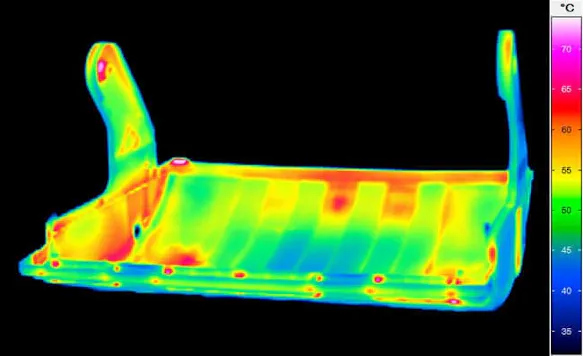
Thermal Optimisation of Moulds
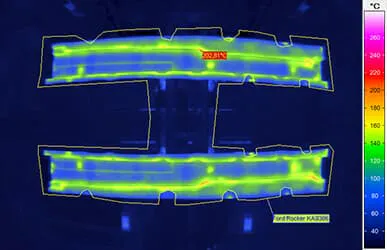
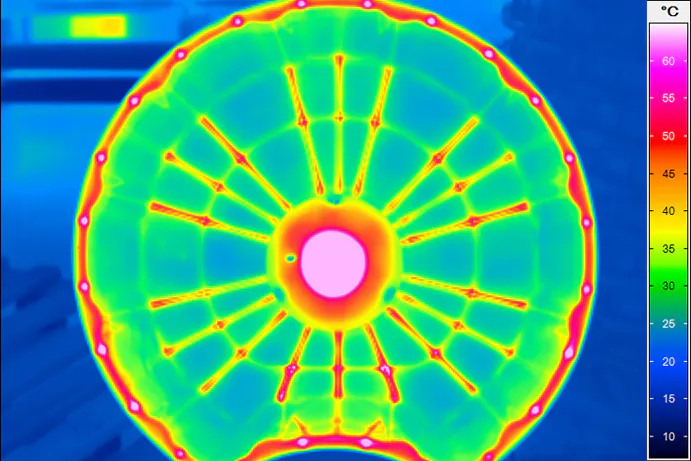
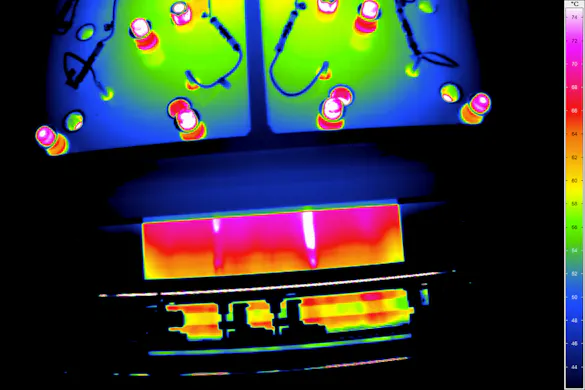
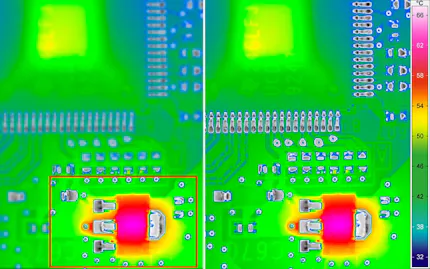
Temperature distribution of plastics in injection moulds and for deep-drawing is a critical aspect for the quality of manufactured moulded bodies. Contacting measurements are just as much extensive as the application of pyrometers. In contrast to that, infrared camera systems offer the advantage to provide a complete picture of moulds or moulded bodies’ temperature distribution. However, moulds consist of metal and, therefore, reflect background radiation.
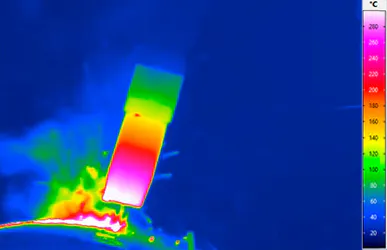
A thermographic analysis is carried out much easily when measuring the moulded body itself. Attention should be paid to the fact that temperature measurement is ensued immediately after opening the mould and before the moulded form has been put out, so that this new product has hardly cooled down. Thus, the temperature of the mould can be indicative of the moulded result’s temperature.
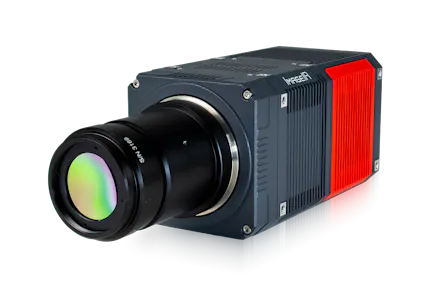
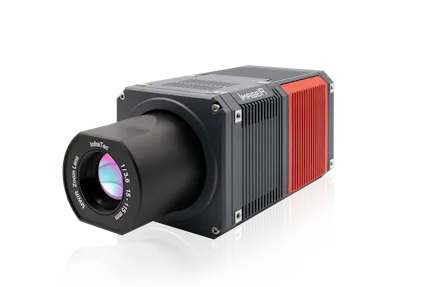
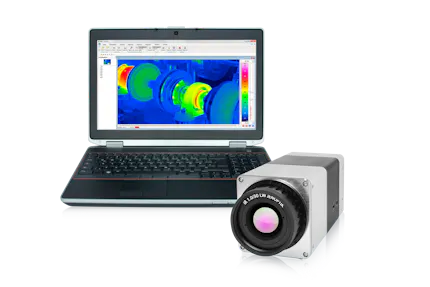
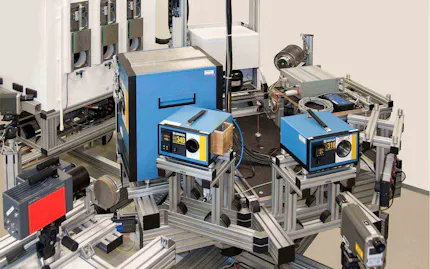
The high frame rate (of up to 60 Hz) of InfraTec’s camera series VarioCAM® high definition ensures a precise thermal image acquisition at the exact point in time. Moreover, due to the integration of stationary infrared camera systems, such as VarioCAM® HD head, into production processes, it is possible to regulate the mould’s temperature in case of temperature deviations.






Online Events On Demand: Thermography in Plastics Industry
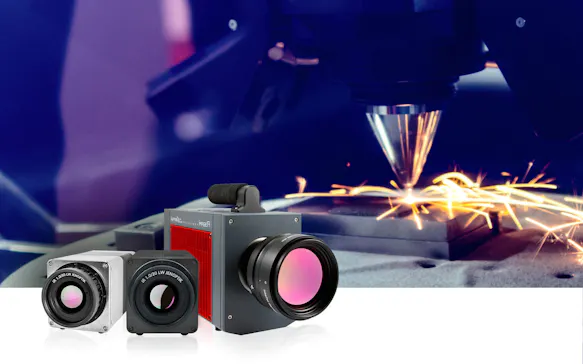
Optimising Additive Manufacturing Technologies Using Thermography
Additive manufacturing: definition, benefits, types, presence and future
Challenges in additive manufacturing of metals
Use of thermography to improve manufacturing technologies
Complementary technical lecture "Influence of Laser Intensity Distribution on Process- and Parts Properties in the L-PBF – New Process Insights through Thermography" from Dr.-Ing. Florian Eibl, Aconity 3D GmbH


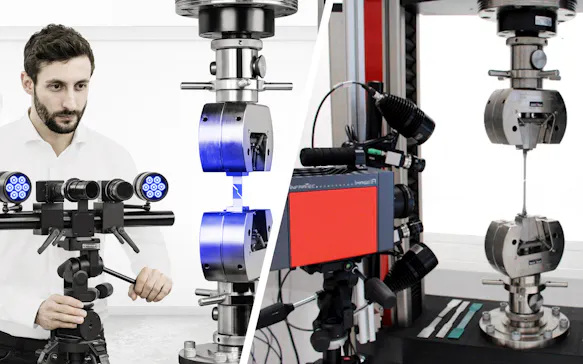
Thermography and Digital Image Correlation – A Winning Team in the Materials and Components Testing Field.
Active thermography for non-destructive testing
Synchronizing high-tech sensors: ZEISS/GOM ARAMIS and infrared cameras from InfraTec
Tracking of temperature on homologous points in 3D space
Applications in materials, components and electronic testing
Complementary technical lecture "The IGI EcoMapper – High-Precision Aerial Survey in Five Spectral" from Dr. rer. nat. Jens Kremer, Manager R&D, IGI mbH, Germany

Thermography for Industrial Automation
Efficient quality control through fast, contactless temperature measurement during ongoing production
Flexible system solutions from modular components to fully customized turnkey setups
Integrated software for automated evaluation, documentation, and triggering of follow-up processes


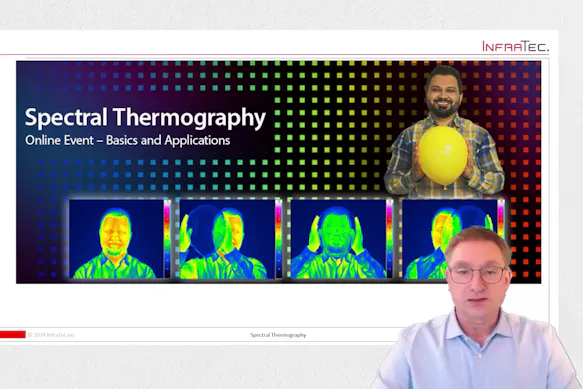
Spectral Thermography – Basics and Applications
General information about infrared thermography and InfraTec
Definition of spectral thermography
Advantages and challenges of spectral thermography
Specific camera system requirements for spectral thermography

Efficient Material Testing – Non-destructive and Contactless
Theoretical background – mechanical force, stress and temperature Methods for analysis
Examples from practice with application samples – elastic periodical load test and fatigue test
Short overview about InfraTec products
Complementary technical lecture
"Contribution of Thermoelastic Stress Analysis in mechanics of materials and structures: some illustrations" from Prof. Vincent Le Saux, École Nationale Supérieure de Techniques Avancées Bretagne



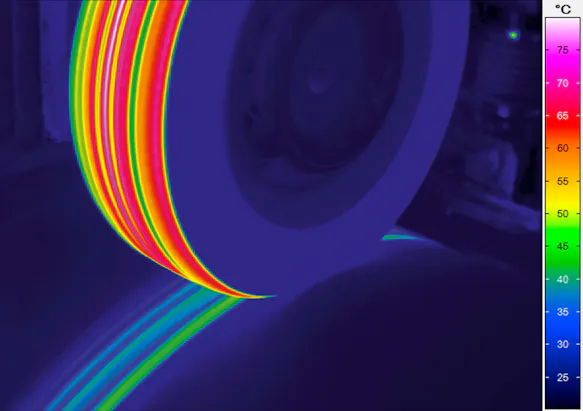
Measurement of Plastic Films by Means of Filtering
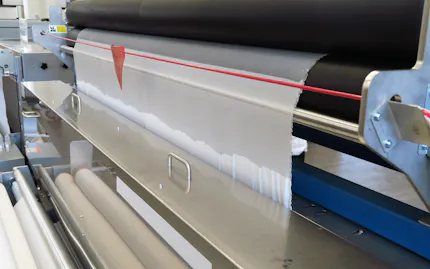
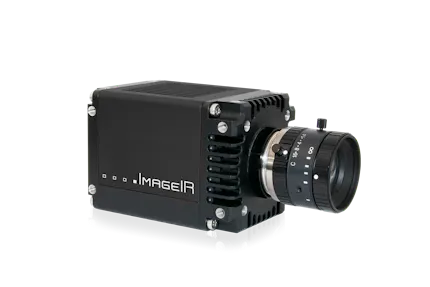
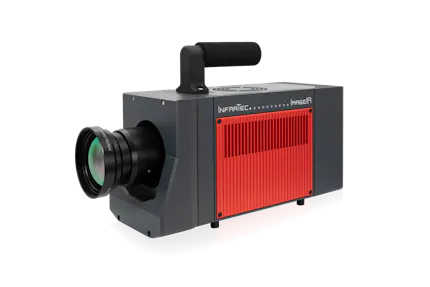
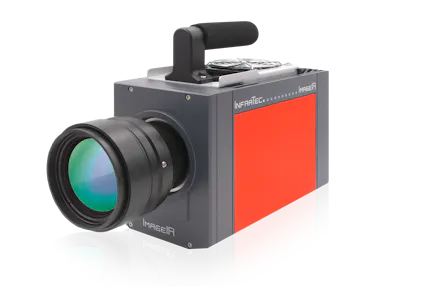
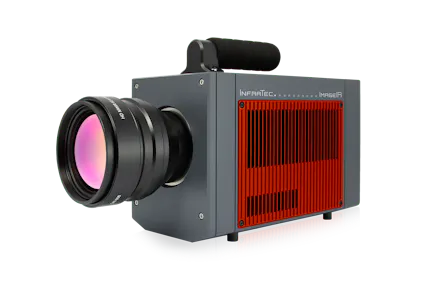
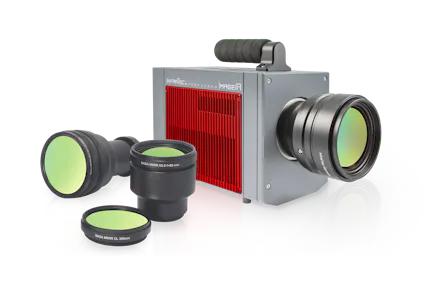
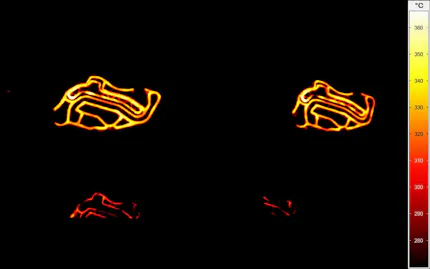
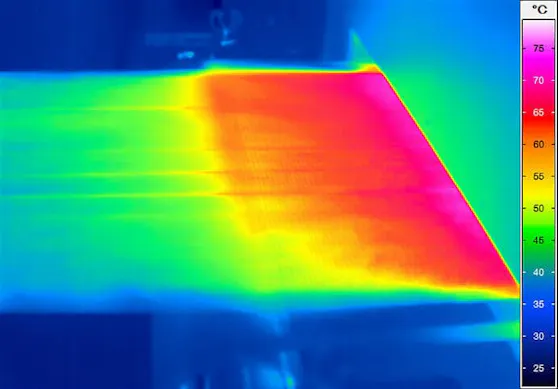
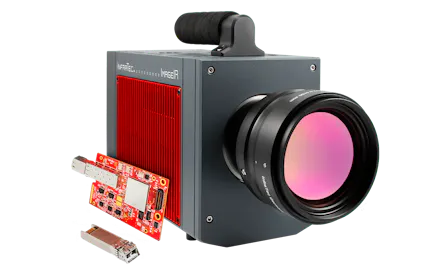
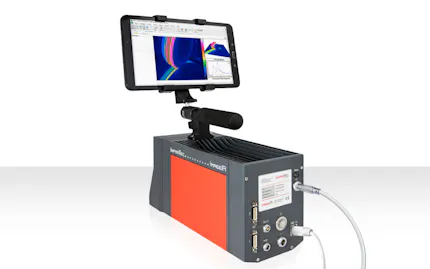
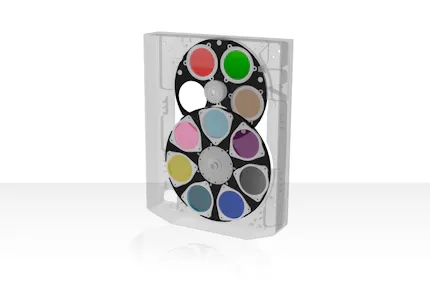
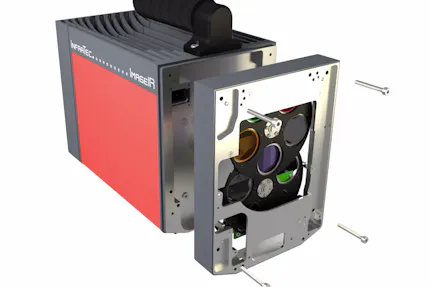
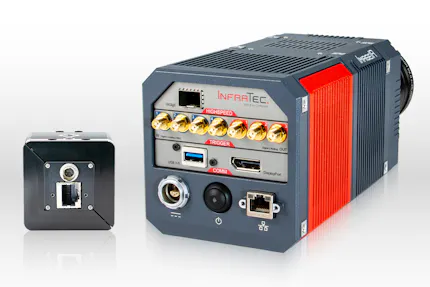
Temperature represents an important quality aspect in the manufacturing process of thin plastic films. This measurement can be carried out without any contact by applying infrared camera. Nevertheless, attention should be paid to the high transparency of the plastic films. A solution for this problem is provided by InfraTec’s special infrared camera systems of the camera series ImageIR® which can be equipped with spectral filters and, therefore, are able to filter background radiation out. These infrared camera systems also feature high frame rates of more than 10 KHz, especially for the acquisition of fast extrusion processes accurate in every detail.















Would You Like to Know More?
It is not unusual for tasks to be associated with special requirements. Discuss your specific application needs with our specialists, receive further technical information or learn more about our additional services.